Wholesale Storage Solutions in Saudi Arabia: 2026 Playbook
Retailers and wholesalers in Saudi Arabia are fighting the same battle: customers expect products on shelves instantly, suppliers want predictable order volumes, and storage costs sit right in the middle, eating margin if they’re not managed properly. Wholesale storage solutions have moved from a back-office afterthought to a front-line competitive advantage, especially as e-commerce and quick-delivery expectations keep rising through 2026.
This playbook covers how wholesale and retail storage needs differ, what a modern facility should offer, and the questions to ask before you commit your inventory to a single provider.
What Makes Wholesale Storage Different From Retail Storage?
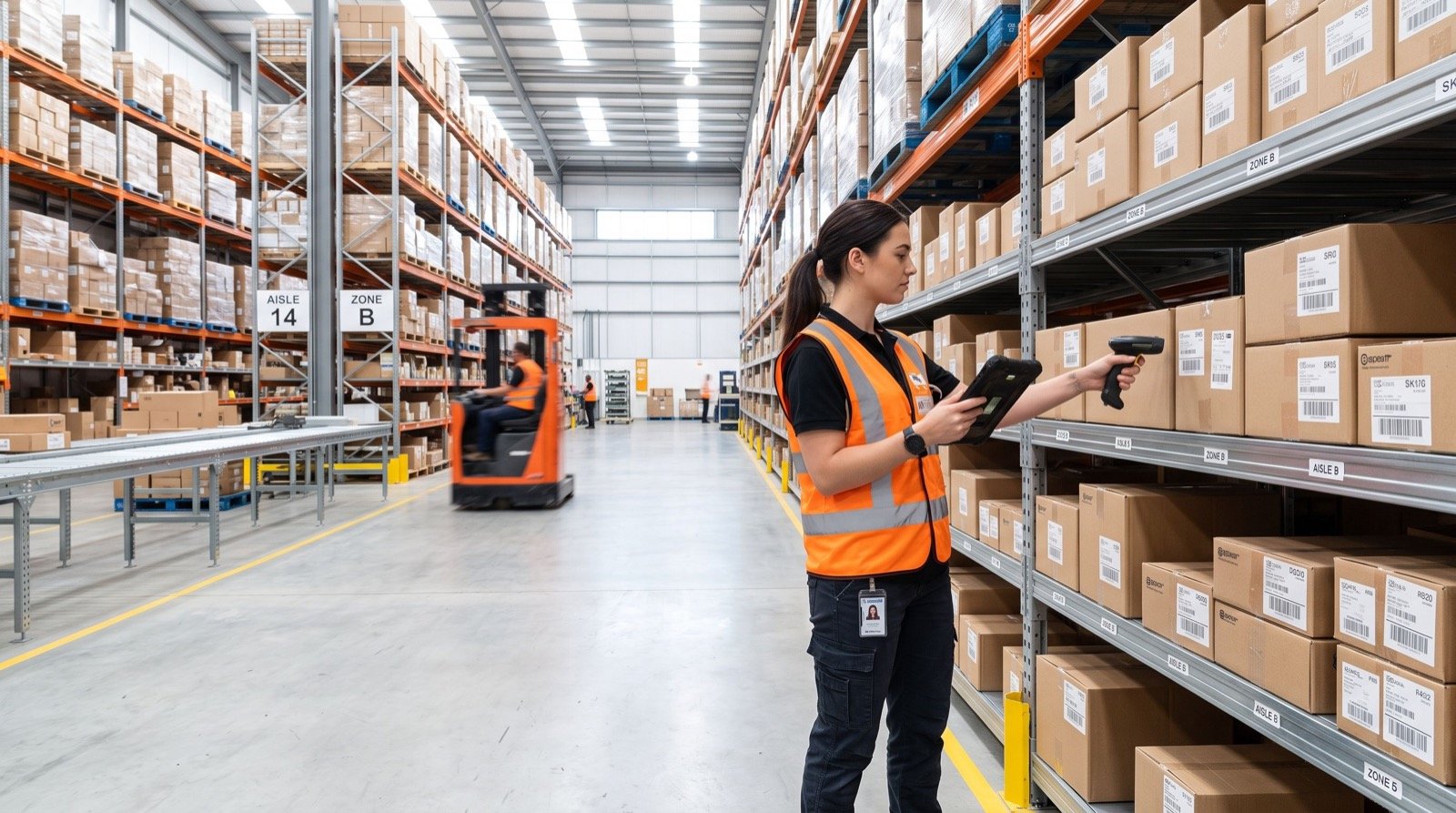
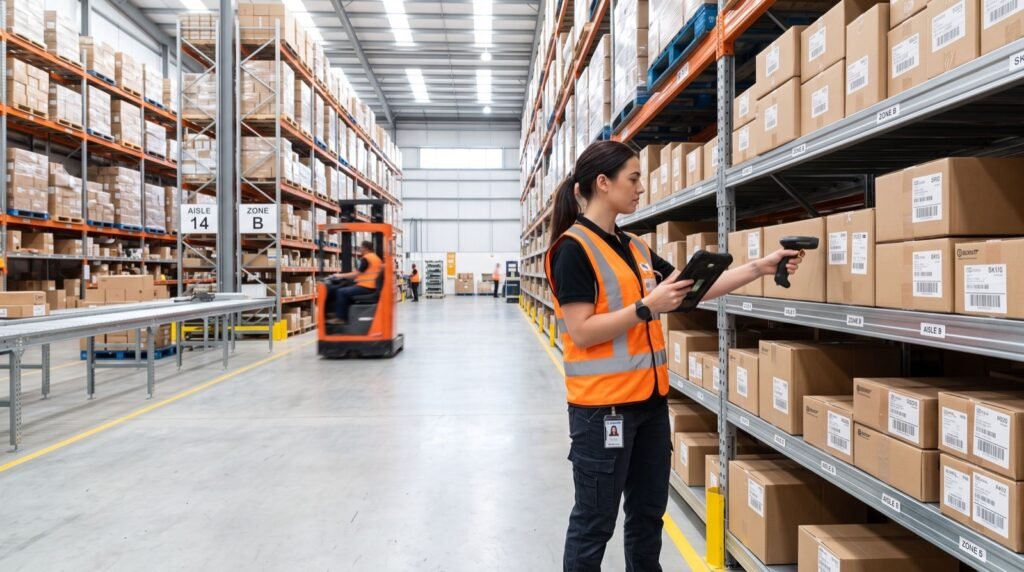
A wholesaler typically moves large pallet quantities to a smaller number of business customers, while a retailer breaks bulk down into smaller units destined for individual consumers. The storage implications differ sharply: wholesalers need high-density pallet racking and fast bulk pick-and-pack, while retailers need flexible, smaller-unit storage with quicker turnaround for frequent restocking.
Businesses that operate both sides, which is increasingly common among Saudi distributors supplying their own retail arms, need a facility that can run both models under one roof without one slowing down the other.
The Margin Math Behind Storage Decisions
Every extra day a product sits in storage is a day of tied-up capital. For fast-moving consumer goods, even a few days of delay in getting stock from storage to shelf can mean the difference between catching a sales window and missing it entirely, particularly during high-demand periods like Ramadan or back-to-school season.
Where Does Chilled Storage Fit Into Wholesale Operations?
A growing share of wholesale and retail inventory in Saudi Arabia now requires temperature control, from dairy and produce to cosmetics and certain health products. Facilities offering Storage for Wholesalers and Retailers increasingly pair this with dedicated Chilled Storage zones, since mixing temperature-sensitive goods with ambient stock in the same bay is a quick way to spoil inventory and trigger customer complaints.
| Model | Storage Priority | Turnaround Need |
|---|---|---|
| Wholesale (B2B) | High-density pallet storage | Bulk pick, moderate speed |
| Retail (B2C) | Flexible unit-level storage | Fast, frequent restocking |
| Chilled Goods | Temperature-controlled zones | Fast, cold-chain continuity |
Questions to Ask Before Signing With a Storage Provider
- Can they run wholesale pallet storage and retail-level unit picking simultaneously?
- How do they maintain cold-chain continuity during loading and transport, not just inside the warehouse?
- What is their documented process for rotating stock to prevent expired goods reaching shelves?
- Do they provide real-time inventory visibility you can check remotely?
Cold Chain Compliance Matters More Than Most Businesses Realize
Guidelines from the Saudi Food and Drug Authority set expectations for how temperature-sensitive goods must be handled across the supply chain, and international frameworks published by the Food and Agriculture Organization reinforce similar cold-chain principles globally. A storage provider that can show how they meet these standards, rather than just claiming they do, is worth paying a premium for when your product line includes anything perishable.
Breaks in the cold chain are rarely visible until a customer complaint or a failed quality check reveals the damage, by which point the inventory loss has already happened. Prevention through proper facility design and monitoring is far cheaper than any after-the-fact fix.
Choosing Partners Who Understand Your Market
Just as a business searching for reputable service experts looks for proven regional results before committing budget, wholesale and retail operators should apply the same scrutiny to storage partners. Ask for specific examples of how a provider has handled seasonal demand surges, product recalls, or cold-chain failures in the past. Their answers reveal far more than a glossy brochure ever will.
Site visits remain one of the most underused tools here. Watching how staff rotate stock, label incoming pallets, and respond to a simulated urgent order tells you more in thirty minutes than weeks of email correspondence.
Planning Storage Capacity for Growth
A common mistake among growing wholesalers and retailers is sizing storage for today’s volume instead of next year’s. Saudi Arabia’s retail and e-commerce sectors have both expanded steadily, and a facility that fits comfortably now can feel cramped within twelve months if sales keep climbing at the current pace.
A better approach is to negotiate contracts with built-in expansion clauses, letting you add pallet positions or additional chilled capacity without renegotiating an entire lease from scratch. This keeps you from either overpaying for unused space today or scrambling for emergency capacity later.
It also helps to review your SKU mix at least twice a year. Products that were slow movers last season can suddenly become bestsellers, and a storage layout that was efficient for last year’s catalog may no longer match how your inventory actually flows. Treat your storage plan as a living document tied to sales data, not a one-time setup decision you make and forget.
Frequently Asked Questions
How do I know if I need wholesale storage, retail storage, or both?
If you sell primarily in bulk to other businesses, wholesale-focused storage is enough. If you also fulfill individual customer orders, whether through a storefront or e-commerce, you need the flexible unit-level capability that retail storage provides alongside it.
What is the biggest risk with mixed ambient and chilled inventory?
Cross-contamination of temperature zones, where chilled goods are exposed to ambient conditions during handoff points like loading docks. Always ask how a facility manages these transition moments specifically.
How much does seasonal demand affect storage pricing?
Expect higher rates and tighter availability during peak retail seasons. Businesses that lock in capacity months ahead of major shopping periods typically get better pricing than those shopping last minute.
Can small retailers access the same storage quality as large wholesalers?
Yes. Many providers now offer scalable space that lets smaller retailers access the same climate-controlled infrastructure as larger wholesale clients, just at a smaller footprint and cost.
Final Thoughts
Wholesale storage solutions in Saudi Arabia are no longer a simple square-footage decision. They involve matching the right storage model to your sales channel, protecting temperature-sensitive goods properly, and choosing a partner who can prove their process rather than just describe it. Review your current storage setup against these standards now, ahead of the next seasonal demand spike, rather than after it catches you short.